
Visit
Welcome to the ultimate guide to visiting Rome’s Colosseum, the world’s largest and most famous amphitheater.

Here you will find all the information you need to organize your visit: from tickets to schedules, from guided tours to the thousand-year history of this architectural wonder. Avoid the long lines and discover the best ways to visit the Colosseum without stress.
Buy tickets online
with “skip the line” options and exclusive visits
Find out the opening hours
and the best days to visit
Book a guided tour
for a more immersive experience

Tickets and prices
Visiting the Colosseum is a must-see experience, but choosing the right ticket can make all the difference. Here are the main options available

the absolute best-selling
Colosseum and Roman Forum Ticket + Audio Guide
Fast access and audio guide included: explore Colosseum and Roman Forum with one ticket.

Colosseum and Roman Forum Ticket + Guided Tour
Skip the line and experience an exclusive tour: visit Colosseum and Roman Forum with an expert guide.
What to see inside the Colosseum
Discover what to see inside the Colosseum: a journey through the ancient tiers of steps, the gladiator arena, and the subterranean vaults.


How and when to visit the Colosseum
Located in the heart of Rome, the Colosseum is easily accessible by various means of transportation. To avoid queues, it is best to visit early in the morning or late in the afternoon. In the peak season months (April-September), weekdays are less crowded than weekends.
Opening hours and closing days
The Colosseum is open year-round, but hours vary by season. Here are the updated hours:
January 1 to February 28
08:30 – 16:30
March 1 to March 31
08:30 – 17:30
April 1 to September 30
08:30 – 19:15
October 1 to October 31
08:30 – 18:30
November 1 to December 31
08:30 – 16:30
January 1
Closed
May 1
Closed
December 25
Closed
Line B, “Colosseum” stop. It is the fastest and most direct method.
The ATAC lines that stop nearby are 51, 75, 85, 87 and 118.
Line 3, with a stop within walking distance of the monument.
Convenient but more expensive solution.
From the historic center, you can reach the Colosseum with a pleasant walk.


BEST HOTELS WITH COLISEUM VIEW
Where to sleep near the Colosseum
Are you looking for a hotel with a view of the Colosseum? Or a bed & breakfast from which to reach the Flavian Amphitheater with a short, scenic walk? Find out which are the best hotels, vacation homes and B&Bs from which you can admire the Colosseum simply by opening the window of your room.
BEST RESTAURANTS NEAR COLISEUM
Where to eat near the Colosseum
Have you visited the Colosseum and got hungry? Want to know the best restaurants or trattorias nearby? Discover the best typical inns in Rome where you can enjoy real pasta all’amatriciana, pizza or other typical specialties of the Capital.

Reviews and testimonials
The Colosseum leaves a lasting memory in those who visit it. Here are some opinions from those who have already had this experience
We were lucky to find a sunny day, so we were able to walk around everything at our leisure. The Colosseum was the stop I was most looking forward to and it did not disappoint my expectations. It was a bit crowded inside, but the paths were well marked. The Forum, however, requires comfortable footwear: the terrain is uneven and there is a lot of walking. Absolutely recommended!
For those who love ancient history, this site is a must-see. The Colosseum still retains a unique charm, although ongoing renovations restrict access to some areas. The digital audio guide works well, but I recommend downloading it before arriving at the site to avoid connection problems. The Roman Forum provides truly striking views, especially at sunset.
Memories of an unforgettable trip: the Colosseum is one of those places that leave you speechless. At the entrance, however, I would have appreciated a little more order, especially for those who, like me, had purchased tickets in advance. The experience at the Roman Forum was equally engaging, although the signage was confusing at times. I would do it again, but maybe in the off-season.
I found the online booking system very convenient, although the site was not very intuitive. Once inside, the beauty of the Colosseum made me forget any minor discomfort. The view from the last ring is spectacular, and the audio guide enriched the visit with interesting details. The Roman Forum would deserve a dedicated tour to appreciate every nook and cranny.
Visiting the Colosseum early in the morning was the right choice: we entered within minutes and avoided the crush. The ruins are spectacular, but I would have preferred more visual support to understand what they once looked like. The Roman Forum is huge and takes several hours, especially if you want to read all the explanatory signs. Bring a water bottle and comfortable shoes!
The structure of the Colosseum is impressive, and walking through its ancient corridors makes quite an impression. I liked the effort to provide historical information, but the Italian translation was sometimes inaccurate. The Roman Forum offers wonderful views, although the directions for the tour routes could be clearer. In any case, it remains a must if you are in Rome.
I was looking forward to visiting the Colosseum, and it was amazing. The lines for security were smooth, but inside there were many groups with guides blocking some passages. I recommend bringing personal headphones if you choose the digital audio guide because the volume is often too low with background noise. The Roman Forum is equally fascinating, too bad we didn’t have more time.
The online tickets allowed me to skip the line and start my visit right away. The Colosseum is breathtaking, but I recommend bringing a map or app because it is easy to get lost between levels. At the Roman Forum I found little explanation of the remains, so it would be helpful to have a more detailed audio guide. Despite the crowds, it was worth it.
Data dell'esperienza: 14 maggio 2025
We arrived early at the Colosseum to avoid the crowds, and I must say it was worth it. Admission was fairly quick, and the audio guide, although not available in all languages, offered interesting insights. The Roman Forum and Palatine are wonderful, but I would have appreciated more guidance on the history of the buildings. Overall, an experience not to be missed, especially for those who love archaeology.
Data dell’esperienza: 3 Aprile 2025
I was impressed by the organization at the ticket office: fast and clear. Inside the Colosseum, however, there were many people and it was not always easy to read the information panels. I particularly enjoyed the upper part, from which there is a unique view. The Forum takes time: you get lost in the ruins, but it’s a real dive into ancient history.

History of the Colosseum: from the Ancient Romans to today
Discover the fascinating history of the Colosseum, an eternal symbol of Rome. From its construction under the Roman Empire to the centuries of transformations, the Colosseum has gone through wars, earthquakes and restoration, keeping its grandeur alive to the present day.
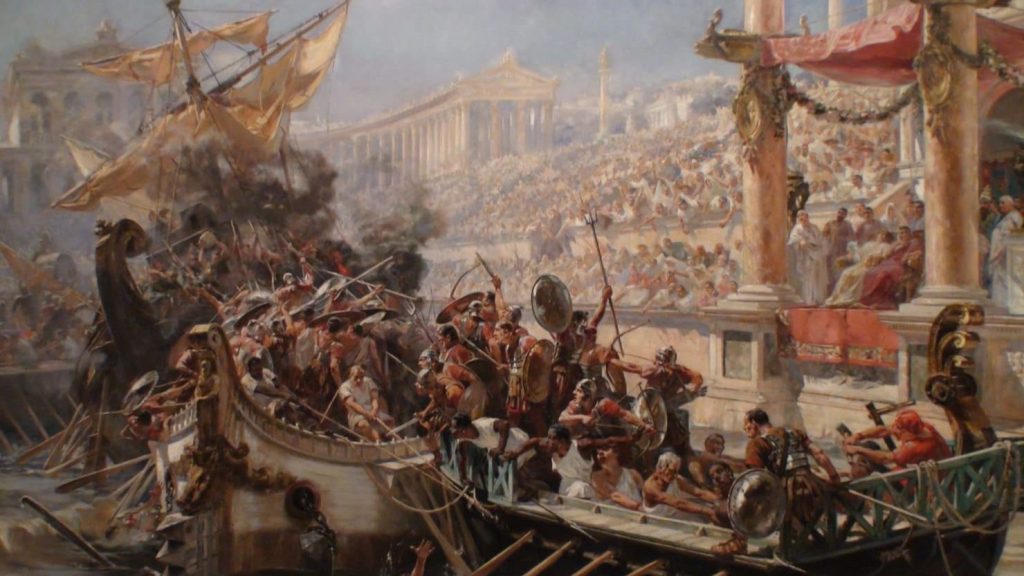


Discover the Colosseum: guided tours, experiences and special tickets
Want a more complete experience? Choose from guided tours, exclusive access and combined tickets with the Forum and Palatine. A unique way to discover the Colosseum from different perspectives.


What to know before visiting the Colosseum
Be sure to plan ahead for your visit to the Colosseum. Find out how to get there and what tips you can use to best explore this symbol of Rome:
Tickets
Book your tickets in advance! The Colosseum is one of the most visited monuments in the world, and tickets with scheduled admission times sell out quickly, especially in high season. To avoid long waits and the risk of not finding availability, it is strongly recommended to purchase tickets online in advance.
Recommended clothing
There is no specific dress code for visiting the Colosseum, but it is advisable to wear comfortable shoes, as the visit involves long walks over uneven surfaces and steps. In summer, a hat and sunscreen may be helpful to protect you from the sun.
Who can access the Colosseum
A visit to the Colosseum involves inclines and uneven surfaces, so it may not be suitable for people with mobility problems. However, there is an elevator to provide access to the upper levels for visitors with disabilities.
Accompaniment of minors
Under 18 years of age must be accompanied by an adult during the visit. ID may be required to verify age.
Security Control
At the entrance to the Colosseum, visitors are subjected to security checks, including passing through a metal detector and inspecting bags and backpacks. To speed entry, avoid carrying prohibited items such as knives, pepper spray, glass bottles and drones.
Pets allowed
Pets are not allowed inside the Colosseum. Exceptions are certified guide dogs for people with disabilities.
Accessibility for the disabled
Admission to the Colosseum is free for people with disabilities and a companion. There are accessible routes and an elevator to facilitate visits to the upper floors. It is recommended that you contact the help desk before your visit to arrange access.
Luggage storage
Large backpacks, suitcases and bulky bags are not allowed inside the Coliseum for security reasons. You may bring small bags (max 30 cm x 30 cm x 15 cm). If you have larger luggage, we recommend that you book an outside luggage room nearby.
Frequently asked questions
Do you have questions about visiting the Colosseum? Check out our FAQ section to find detailed answers to frequently asked questions, such as cost, tour duration, what to see inside, and more.
Yes, the Colosseum offers several solutions to facilitate access for people with disabilities. There is a dedicated entrance and, at least on the ground floor, the paths are adequate for wheelchairs or those with mobility difficulties. There is an elevator to reach some upper levels, although not all areas of the facility are fully accessible. For further information, it is always advisable to consult the official website or to contact the reception service in advance, so as to receive up-to-date directions and organize your visit in the best way.
The duration may vary depending on personal interests and the type of visit chosen (free, with audio guide or with a professional guide). On average, exploring only the amphitheater takes at least 1-1.5 hours; if you wish to explore historical and architectural aspects in more depth, or if you also visit the underground floor (when accessible) and upper levels, you may exceed 2 hours. In case the visit also includes the Roman Forum and Palatine (often combined with the Colosseum), it is prudent to budget half a full day to appreciate everything at leisure.
- LOW SEASON: In the winter months (November through February, excluding the Christmas-New Year period) you’ll find fewer crowds and can move around more leisurely.
- WEEKDAYS: Avoiding weekends and holidays can help you encounter shorter lines, especially if you arrive early in the morning (opening is usually around 8:30 a.m.).
Online reservation: if possible, reserve your ticket in advance and choose a less popular time slot (early morning hours or mid-afternoon) to reduce wait times.
Access with food and drinks is generally allowed, as long as they are small quantities and safe containers. It is normal to bring a water bottle, especially in summer, but avoid glass bottles or potentially dangerous containers (such as large metal thermos). There are security checks at the entrance, so items considered risky will be locked away. There are no real picnic areas inside, so if you want to take a lunch break, you may want to plan a quick snack or eat outside the archaeological area before or after your visit.